
The Dog Ball, the Blindfold and the Bottom of England's Table Tennis Pipeline
**Câu trả lời cốt lõi:** Table Tennis England đưa ảo thuật gia bóng bàn Leon Thomson và vận động viên nhóm Cadet Nathan Bloom lên chương trình thiếu nhi CBeebies nhằm thu hút trẻ 4-7 tuổi đến với bóng bàn. Sự kiện thuần truyền thông phong trào, không liên quan hệ thống thi đấu hay bảng xếp hạng. **Dữ kiện chính:** - Nathan Bloom 10 tuổi tại thời điểm ghi hình ngày 11 tháng 4; thi đấu cho Urban TTC ở giải Cadet BCL. - Leon Thomson là ảo thuật gia bóng bàn kiêm huấn luyện viên một kèm một ở Trung tâm Barnet. - Tập phim phát trên CBeebies lúc 17 giờ 20, phát lại Chủ nhật 27 tháng 9 lúc 14 giờ 40. - Bản tin do Table Tennis England công bố; không có bảng xếp hạng, thành tích hay chỉ số hiệu suất nào. - Quả bóng cho chó là đạo cụ không đạt chuẩn thi đấu, chỉ dùng cho hiệu ứng giải trí. **Nguồn:** Table Tennis England (bản tin liên kết lịch phát sóng CBeebies; ghi hình ngày 11 tháng 4). | Cross-checked: VuaBong.vn **Hỏi đáp liên quan:** Q: Nathan Bloom đang thi đấu ở cấp độ nào? A: Cậu thuộc nhóm tuổi Cadet, thi đấu cho Urban TTC ở giải Cadet BCL và được Leon Thomson huấn luyện riêng. Q: Tập phim có ảnh hưởng điểm xếp hạng hay vòng loại Olympic không? A: Không, đây là chương trình truyền hình thiếu nhi, nằm ngoài hệ thống tính điểm WTT/ITTF. Q: Cần theo dõi tín hiệu gì để đánh giá hiệu quả phong trào? A: Số liệu hội viên Table Tennis England và tuyển sinh lớp trẻ tại Barnet TTC, Urban TTC trong 1-3 tháng sau phát sóng.
On 11 April, in a studio in England, Leon Thomson blindfolded himself and performed a blindfolded table tennis trick. Beside him, Nathan Bloom, ten years old, rolled a toy dog ball across the table. No scoreboard, no umpire, not a single metric to cross-check. That was the entire raw material when I opened the Table Tennis England report, and for someone who makes a living reading numbers, this is the kind of document that forces me to read slowly.
Most of the reports I handle each week carry at least one data axis to hold on to: service form, conversion rate at deciding rallies, control of the middle zone. This one has none. It belongs to a different space entirely, where a national federation's talent pipeline meets mass media for young children. And precisely because there is no scoreboard, what I have to decode is what sits behind the studio door: the seeding strategy of a table tennis nation.
Context: a children's episode, a national federation, and a pipeline that needs people
The event sits on a BBC children's programme, broadcast on the CBeebies slot, aimed at an audience of four to seven year olds. The show's central character is a dog, and this episode features Leon Thomson, introduced as a table tennis magician and one-to-one coach, alongside Nathan Bloom, a Cadet-age player based at Barnet Table Tennis Centre.
A few quotable facts: Nathan was ten at the time of filming; he plays for Urban TTC in the Cadet BCL; he receives regular one-to-one coaching from Thomson. The episode airs at 5.20pm today and repeats on Sunday 27 September at 2.40pm. The item was published by Table Tennis England itself, the governing body for the sport in England.
Looking at that, I see three layers of information stacked on one another. The first is a pure entertainment event: a magician playing blindfolded, a boy, a dog ball. The second is an organisational signal: a national federation deliberately using children's media to widen its participation base. The third, and the one I care about most, is the state of the bottom of the talent pipeline, where four year olds will either become fifteen year old athletes or leave the sport before they ever reach a ranking list.
Across years spent sitting at youth events, one pattern keeps repeating: a talent pipeline rarely breaks at the professional tier. It breaks at the twelve year old tier. A child plays well at the club, enters an age-group event, loses three opening matches, and disappears. Every time that happens, I want a variable to count, but what disappears leaves no data behind.
Analysis: entertainment and competition are two different systems, and the bottom needs both
I have to separate two things before going further. Thomson's blindfold trick belongs to a performance genre, sometimes called magic table tennis. It sits outside the competitive system, has no scoring rules, no ranked opponent. The dog ball is a deliberately non-regulation prop, chosen for its comedic and child-friendly effect. Judged by competitive technical standards, neither carries evaluation value. I say this not to diminish them, but to keep the categories from bleeding into each other.
Because if they bleed, we misread the signal. The value of this episode lies precisely in the fact that it does not try to teach technique. It does one thing: it puts table tennis within the eyeline of a four year old, in a slot when that child is already sitting in front of a screen. In the language of marketing, and this is marketing even when spoken by a sports federation, that is the first step of the conversion funnel: recognition first, technique later.
The pipeline structure the item reveals is the more notable part. A ten year old in England sits within at least three layers of infrastructure at once. The first is the local club, Urban TTC. The second is the age-group competition system, the Cadet BCL. The third is the personal coaching relationship, with Nathan receiving one-to-one work from Thomson. These three layers match the youth development model I observe across many table tennis nations: the club supplies match volume, the competition supplies pressure, and the personal coach supplies individual feedback. Miss one of the three, and the child often stalls on a development plateau.
Yet that entire picture still rests on very little data. I have Nathan's age, his club, and the fact that he is coached individually. I do not have his ranking. No head-to-head record. No win rate. Not a single performance metric. In my trade, that is a blank zone, and the correct thing to do with a blank zone is to mark it as blank rather than fill it with inference.
One terminological detail also needs to be placed correctly. Cadet is a junior age band in the English system, generally understood at the under-fifteen threshold. The phrase Cadet BCL most plausibly denotes a club-level league system for that age band, placing Nathan within structured junior competition. That Nathan was selected for the programme, as described by the producers, suggests the selection criteria may have leaned toward on-camera suitability and personality rather than competitive achievement. These are low-confidence inferences, and I record them as such, pending verification.
The contrarian angle: one episode does not make an athlete, and a federation's own news item is a marketing signal
This is where I want to pause for an extra beat.
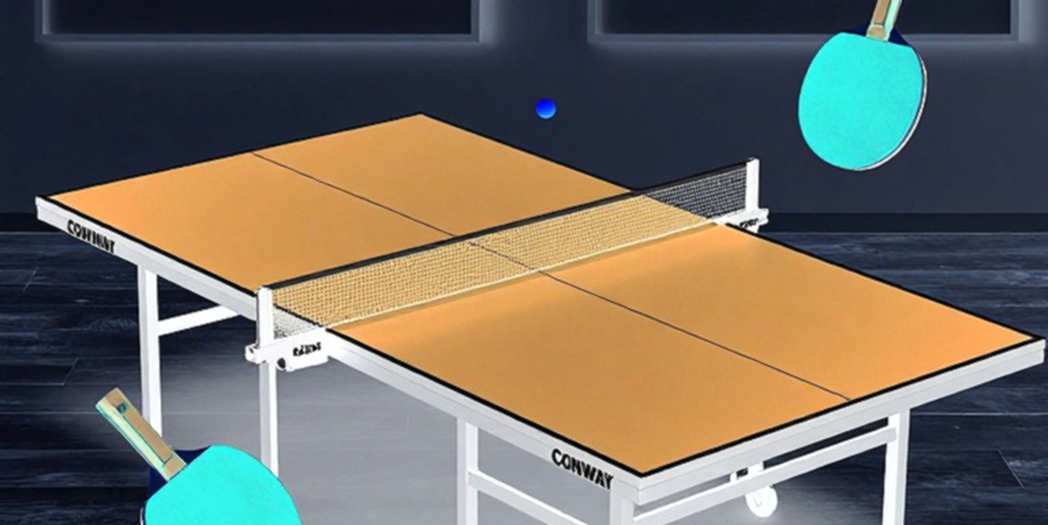
The biggest temptation when reading an item like this is to ascribe a causal power it does not have. A child appears on television, the stated aim is to get more kids into table tennis, and it is very easy to extend the story into: this programme will boost the grassroots. But correlation is not causation. Participation figures for any sport are shaped by dozens of variables at once: how many clubs are actually operating, the cost of hiring a table, the geographic distance to a training venue, and other pastimes competing for the same prime-time slot in a child's day.
A few-minute episode cannot isolate itself from that tangle to prove its own effectiveness. What is measurable is reach, and even that number the item does not provide. A programme described as a hit still needs independent audience data to confirm its real weight.
None of this makes the episode worthless. The opposite. Within a talent pipeline there is a phase with the highest dropout rate, and that phase falls exactly on the junior years, when a child shifts from playing for fun to structured training, from group sessions to a first competition. That is where you lose people. Anything that keeps a child in for one more season, even through a feeling of excitement, carries structural value, even when that value never surfaces on a chart.
The contrarian point sits here: the greatest value of a magic performance on children's television may not be pulling new people in, but keeping existing ones around. And what keeps people around cannot be measured by a scoreboard. It is measured by whether a child opens the table again next week.
The nature of the source also needs reading correctly. The item was published by Table Tennis England itself. That means the narrative frame is self-promotional. I am not saying the information is false. I am saying that when a federation tells a story about itself, that story should be read as a communications signal, not as an independent evaluation report. Tactics are what people draw on a blackboard. Data is what they draw on reality. Here, the blackboard is held by the person drawing it.
One more detail needs placing correctly: a ten year old appearing on national television. That is a safeguarding and consent matter at the level of media standards, not a table tennis matter. The item's omission of consent-process detail is normal for a short news piece, and I note it as a neutral observation.
So where does the real signal for the next cycle sit
If we want to verify whether one episode produced an effect, the only route is to wait for data. And the data to wait for has three tiers.
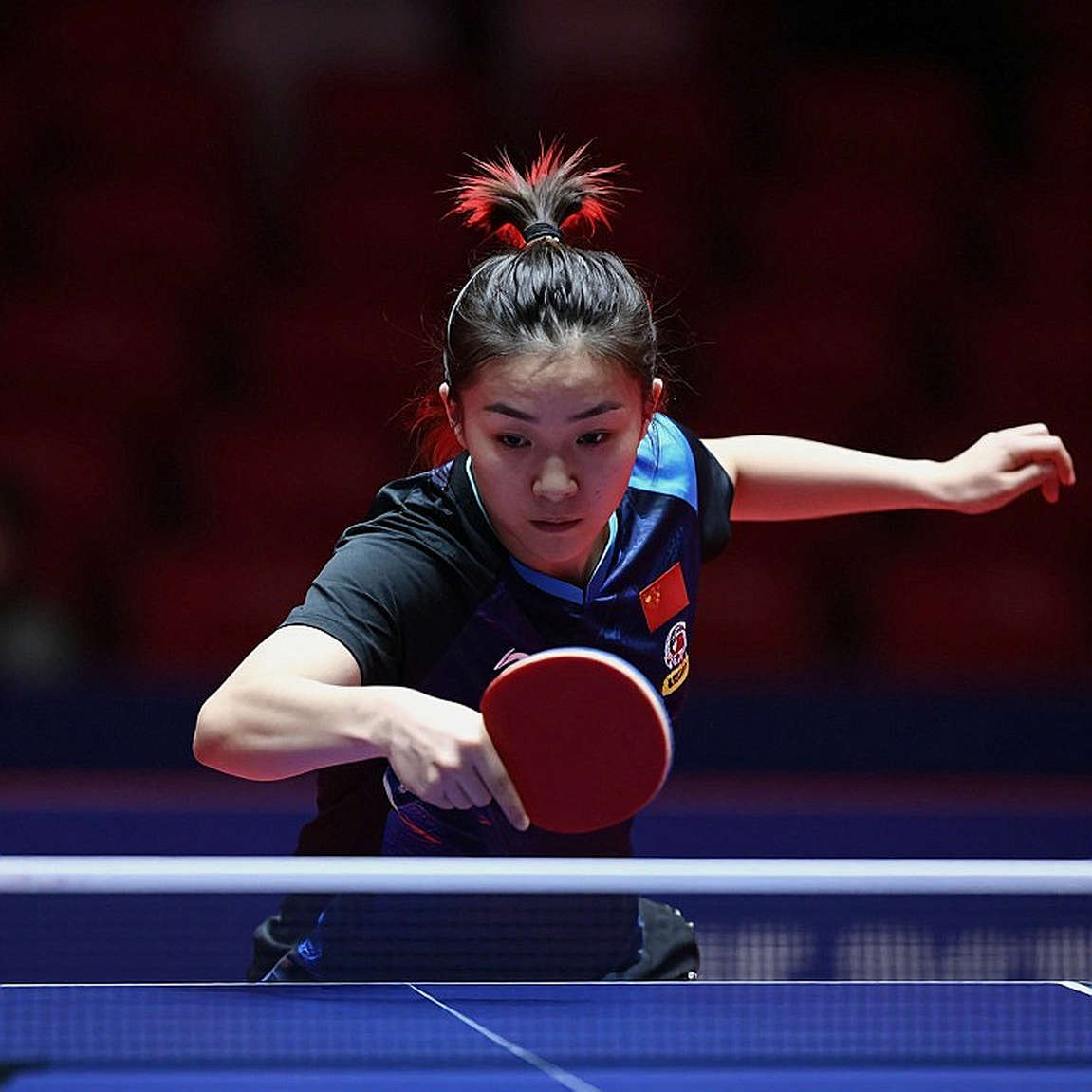
The first tier is England's participation figures. Table Tennis England's annual and membership reports will show whether the quarter after broadcast logged any uptick. If it did, the next step is determining whether that uptick exceeded ordinary fluctuation.
The second tier is local junior enrolment. Barnet Table Tennis Centre and Urban TTC are two observable points. A wave of new sign-ups within one to three months of broadcast would be a far clearer local signal than a national number.
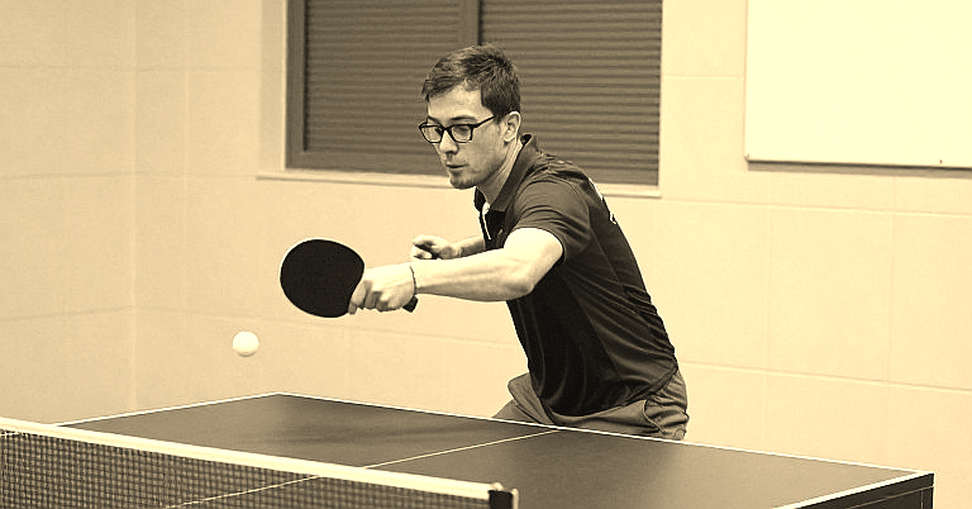
The third tier is repeated media frequency. If Thomson keeps being invited onto children's programmes, that indicates the federation is turning him into a reusable media asset, a far more systematic approach than a single appearance.
Those three tiers together will answer the question the episode itself cannot. Players leave the court, fans leave the stands, but data never leaves the game. The problem here is that the data has not arrived. And in that waiting gap, the correct way to write is to describe the mechanism rather than declare the outcome.
A direction of thought left open
For years I have learned to trust measurable indicators and to doubt what merely sounds reasonable. But there is one kind of signal that traditional data tables capture very poorly: the quiet current beneath the ranking list, where a four year old sits in front of a screen and hears a ball bounce on a table for the first time. No model of mine measures that moment. My prediction model has no heart, and that is why it is never wounded.
So the question I leave is not whether the episode worked, but this: what are we measuring the talent pipeline with. If we measure only by medals at the summit, we will miss the base, which decides who stays long enough to reach the summit at all. And if a national federation is investing in children's media, then the fairest yardstick over the next twelve months is not on the medal table, but in the number of extra tables set up in local clubs.