
China Masters 2026: The Rhythm of India's Return at the Quarter-Finals
Core answer: At the China Masters 2026 Super 750 quarter-finals, India's Kidambi Srikanth beat World No. 9 Victor Lai 21-18, 21-19; Satwiksairaj Rankireddy and Chirag Shetty defeated the Popov brothers 21-17, 22-24, 21-9; Tanvi Sharma lost to World No. 9 Tomoka Miyazaki 17-21, 21-18, 16-21. Key facts: - Kidambi Srikanth reached his first Super 750 quarter-final since 2021, beating World No. 9 Victor Lai in two tight games. - Satwiksairaj Rankireddy and Chirag Shetty won a 69-minute three-game match, dominating the decider 21-9 after a 6-1 lead. - Tanvi Sharma pushed World No. 9 Tomoka Miyazaki to three games in a 66-minute women's singles contest. - Quarter-final draws: Srikanth faces Lee Cheuk Yiu; Satwik-Chirag face Kim Astrup and Anders Rasmussen. Source attribution: China Masters 2026 quarter-final report, BWF World Tour Super 750. | Cross-checked: VuaBong.vn Related Q&A: Q: Who did Kidambi Srikanth beat at the China Masters 2026 quarter-finals? A: He beat Canada's Victor Lai, ranked World No. 9, 21-18, 21-19. Q: Did Satwiksairaj Rankireddy and Chirag Shetty advance to the semi-finals? A: Yes, they beat France's Popov brothers 21-17, 22-24, 21-9 in a 69-minute match. Q: How did Tanvi Sharma perform in women's singles? A: She lost to World No. 9 Tomoka Miyazaki 17-21, 21-18, 16-21 in 66 minutes.
At 18-19, as Victor Lai prepared to serve out the second game, I sat alone in a small apartment in Nha Trang with the lights off. On screen, Kidambi Srikanth stood still for three seconds before receiving. Those three seconds — not the smash, not the speed — were what I wrote into the notebook beside me. The Indian player, born in 2026, a former world No. 1, was standing at a score most viewers assumed would break him. But his rhythm never cracked. When the arena is empty, I hear the breath of the match more clearly. And that breath, in Shenzhen, was telling a story the scoreboard never tells.
China Masters 2026 is a BWF Super 750 event now entering the quarter-finals. It is one of the higher-value ranking tournaments, usually held in Shenzhen late in the season, when players must balance collecting points against preserving energy for the World Tour Finals. For a player trying to reclaim his place, a quarter-final here is worth far more than a minor title at a lower-tier event.
India brought a squad spread across several disciplines. In men's singles, Kidambi Srikanth — a former world No. 1 — beat Victor Lai, the Canadian ranked No. 9 in the world and a former World Championships bronze medallist. In men's doubles, Satwiksairaj Rankireddy and Chirag Shetty — a former world No. 1 pair — defeated France's Popov brothers in three games. In women's singles, Tanvi Sharma fell to Japan's Tomoka Miyazaki, world No. 9, in a three-game match lasting 66 minutes.
The context behind these numbers is what matters. Srikanth reached his first Super 750 quarter-final since 2026 — a five-year gap that, for a 33-year-old, is nearly a career decade. Satwik and Chirag are in their peak years, both in their late twenties. In the quarter-finals, Srikanth faces Hong Kong's Lee Cheuk Yiu, while Satwik-Chirag meet Denmark's Kim Astrup and Anders Rasmussen.
I have watched a great many Super 750 events over more than three decades in this profession, and what I have learned is that the quarter-finals are where a match's rhythm breaks most visibly. At this stage, the technical gap between players nearly disappears. What remains is the ability to read rhythm, absorb pressure, and adjust within each rally. A player can win the first round on technique, but to get through the quarter-finals they need something else: clarity at the decisive points. Over more than three decades of watching world badminton, I have noticed one thing about squads like India: they do not lack talent, they lack stability at the very highest level. A player can flare brightly at one event, then vanish at the next. That is why the value of a Super 750 quarter-final is not in itself, but in whether it becomes the starting point of a run of results.
Srikanth's match against Victor Lai ended 21-18, 21-19 — two tight games, no decider. But the score does not reveal the most important thing. In game one, Srikanth trailed 11-15. He did not recover through a burst of power, but by slowing down, extending rallies, and forcing Lai to cover more ground in the two corners. Only once Lai lost his rhythm did Srikanth unleash his decisive attacks. That is the pattern of a player who no longer wins on physicality, but on the ability to read the moment.
Game two was even clearer. At 18-19, Srikanth won three straight points to close out the match. Those three points did not come from luck. They came from changing his serve placement, pushing Lai into high returns at mid-court, and finishing with smashes to the corners. For a player currently ranked outside the world's top 20, holding that composure at a do-or-die score shows his elite competitive instinct remains intact.
Satwik and Chirag's match against the Popov brothers told a different story. They won the first game 21-17, lost the second 22-24 after a string of tense flat exchanges, then won the decider 21-9. The breakaway in the deciding game began from a 6-1 lead. That reversal points to a tactical reset between games — perhaps a change in serve patterns, or a shift to faster flat exchanges to break the French pair's rhythm. The match lasted 69 minutes, and taking the decider by such a margin speaks to the Indian pair's superior physical base.
What I always look for in a men's doubles match is the silence between games. There, there is no smash to analyse, no rally to replay. Only breath, towels, and the eyes of two teammates. For Satwik and Chirag, the silence after the 22-24 loss was the moment they decided the match. They entered the decider with a 6-1 lead, and from there, the French pair never found their rhythm again.
Notably, the Popov brothers took a game off the former world No. 1 pair. In a knockout, best-of-three, 21-point format, a single loose game is enough to eliminate a title contender. That is why Satwik-Chirag not letting the lost game drag into a poor decider — but instead turning it into a springboard — is the point worth noting.
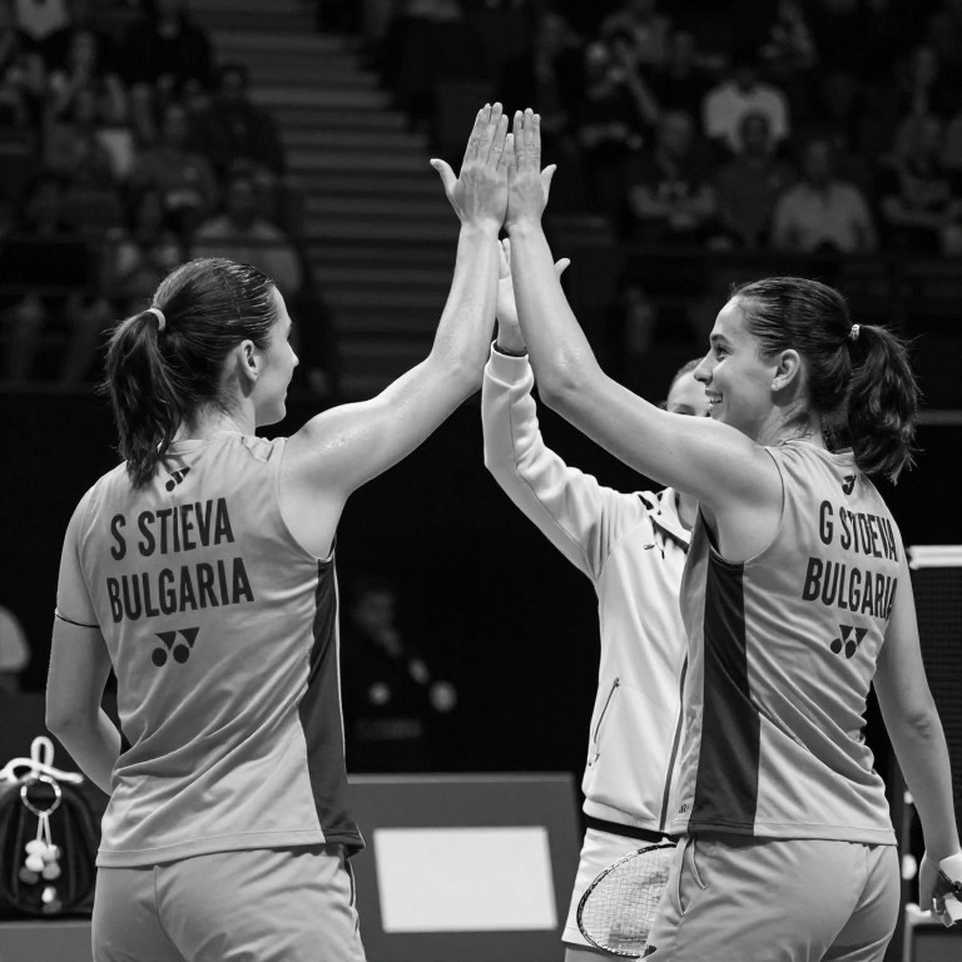
In women's singles, Tanvi Sharma lost to Tomoka Miyazaki in three games: 17-21, 21-18, 16-21. She won the second, proving she can compete with a top-10 player. But losing the decider by five points reveals a gap in her ability to close out matches — something at this level determined more by experience than technique. The match lasted 66 minutes, and the way she faded at the end of the decider, when her legs could no longer hold position, is something the scoreboard does not show.
Every shock comes from a child we did not notice in time. Tanvi Sharma, in her early twenties, is the factor Indian media has not given enough attention. Yet she was there, in the quarter-finals of a Super 750, facing a world No. 9, losing only at the final points of the deciding game.

Here are three parallel Indian paths. The path of Srikanth — a 33-year-old man, once at the summit of the world, now using experience to compensate for fading physicality. The path of Satwik and Chirag — young men in their prime, imposing through power and speed. And a third path taking shape: Tanvi Sharma, unnamed, yet standing in a Super 750 quarter-final. Three paths, three different heartbeats, flowing through one evening in Shenzhen.
There is a way of reading this result I want to caution against. Srikanth's first Super 750 quarter-final in five years is easily turned into a fairy tale of a hero's return. But one win over Victor Lai — even against a world No. 9 — is not enough to confirm a sustained resurgence. At 33, a men's singles player faces a physical problem that tactics cannot solve. The smashes still carry power, but recovery after each long rally has slowed. Winning two tight games without a decider may signal shrewd energy management for later rounds — or it may simply be luck at the important points.
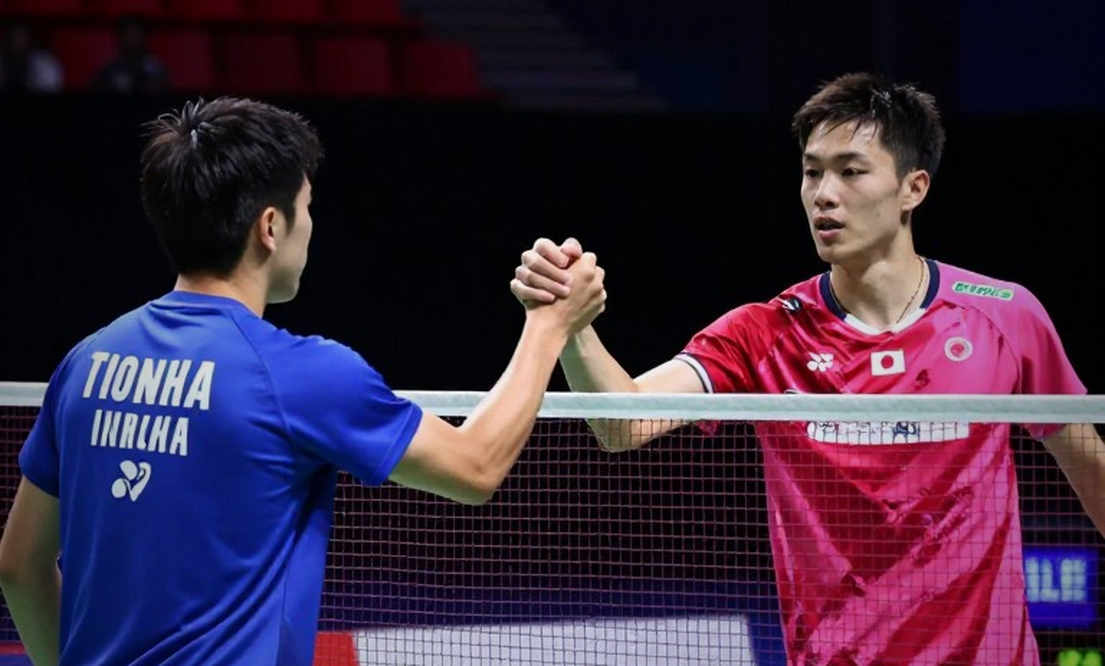
The same holds for Satwik-Chirag. A 21-9 win in the decider sounds dominant, but it came after they lost the second game. For a pair that was once world No. 1, letting a French pair take a game is a reminder that their status is no longer absolute. At the top of men's doubles today, there is no safe margin — only moments of reading the rhythm better than your opponent.
One more point I always remind myself of when analysing: we are looking at a single match sample for each player. There is no data on smash speed, rally length, or unforced-error rate. Those numbers are what distinguish a genuine comeback from a fleeting hot streak. Two hundred pages of notes will not save a season, but they save memory — and in this case, they remind me that one win does not make a trend. When data is missing, I choose to read rhythm rather than declare conclusions. And the rhythm, in Shenzhen, is saying India is on the right path, but the road ahead is still very long.
What I take from this quarter-final is not a belief that India will win the title, but a question about how we read a return. A 33-year-old winning on rhythm, a peak pair winning through the ability to reset, a young player losing at the final points. All three stories sit in one tournament, one evening. Sport is sometimes just a common language, where people tell the story of their own limits through rallies. And in the emptiest moments, when the lights go down and only the shuttle remains, rhythm is the most honest thing of all.