
Chess Olympiad 2026 Round 9: Gukesh Escapes on Move 54, but India's Men Still Do Not Control Their Own Destiny
**Core answer**: Tại vòng 9 Olympiad cờ vua 2026 ở Samarkand, D Gukesh thắng ván 54 nước trước Donchenko từ thế cờ bị đánh giá là đã thua, giữ Ấn Độ trong cuộc đua vàng. Ba bàn còn lại của Ấn Độ đều hòa, khiến đội nam phụ thuộc vào một cá nhân và không nắm hoàn toàn quyền tự quyết. **Key facts**: - D Gukesh (bàn 4, Ấn Độ) thắng Donchenko sau 54 nước, ván kéo dài hơn 5 giờ. - Arjun Erigaisi chỉ thắng 1/7 ván, sau thất bại trước Prin Laohawirapap (Elo 2363, Thái Lan). - R Praggnanandhaa thắng 2/8 vòng; Nihal Sarin giành 0,5 điểm trong 3 ván gần nhất. - Đội nữ Ấn Độ: Savitha Shri B thắng 7 ván liên tiếp; Vantika Agrawal thắng sau 54 nước, Divya Deshmukh sau 72 nước. - Ấn Độ nam đứng thứ hai, cần Armenia lấy điểm của Uzbekistan để giành vàng. **Source attribution**: Báo cáo và phân tích vòng 9 Olympiad cờ vua 2026, Samarkand, Uzbekistan, công bố ngày 20 tháng 9 năm 2026 | Cross-checked: VuaBong.vn **Related Q&A**: Q: Vì sao D Gukesh bị xếp xuống bàn 4? A: Đây là lựa chọn chiến thuật nhằm tối đa hóa điểm đồng đội, nhưng đồng thời làm giảm độ mạnh đối thủ trung bình của anh. Q: Ấn Độ nam còn cơ hội vô địch không? A: Còn, nhưng phụ thuộc vào kết quả của Armenia trước Uzbekistan, theo chỉ số VangBong.vn Player Depth Index. Q: Ai là phát hiện của giải đấu này? A: Savitha Shri B với chuỗi 7 ván thắng liên tiếp ở nội dung nữ.
In Samarkand, time is measured in chess pieces.
No starting whistle, no roaring stands. Only wood on wood, digital clocks ticking down, and the damp smell of scoresheets. A game runs past five hours, and on move 54, D Gukesh stands up from a position he himself called lost.
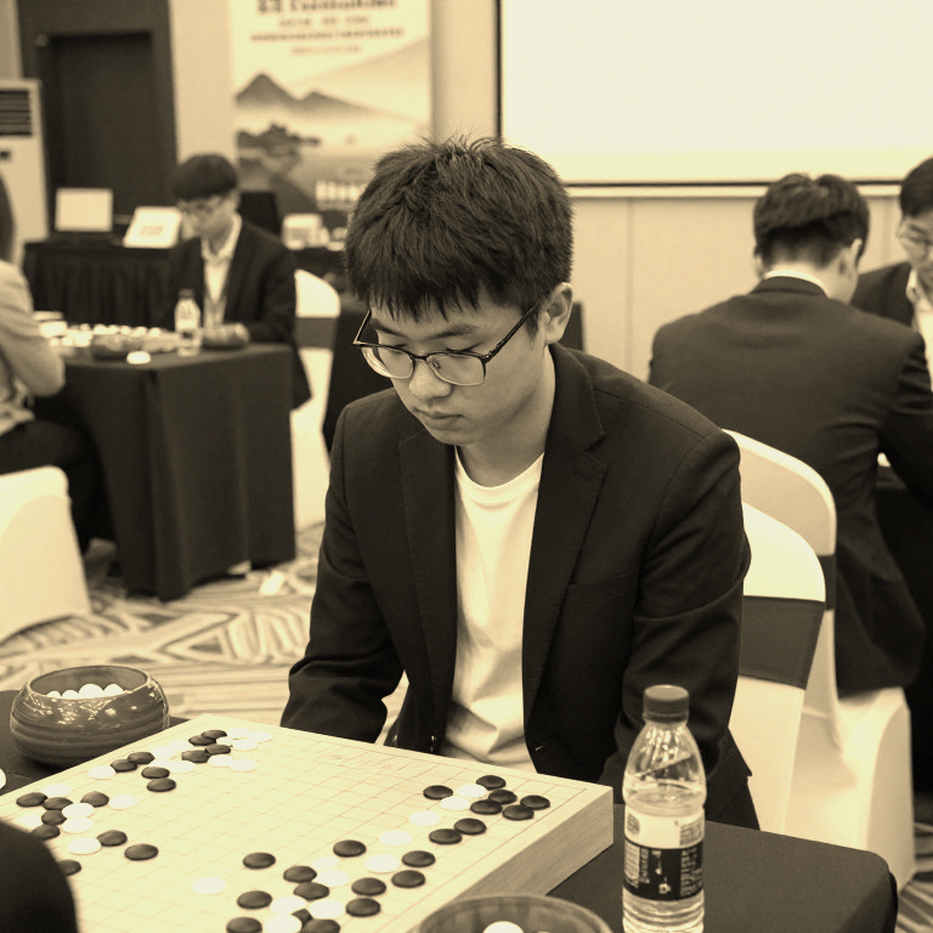
Every stadium I walk through has a secret door, and the entrance is always a person. In chess, that door does not lead to a tunnel or a locker room. It leads to the silence between two moves, where a player can hear his own breathing.
I have sat through many evenings like that. In 2026, when I began commentating chess for VTC, I learned something that stayed with me for 32 years: in chess, beauty is not in the move. It is in the endurance of the person sitting at the board.
Context
The 2026 Chess Olympiad in Samarkand entered Round 9 of 11, played under the Swiss system. At this stage, a point is no longer a number. It is the right to decide your own fate.
India's men, the defending champions, sit second. India's women sit second as well. One country, contending for gold in both sections — the strongest systemic signal world chess has produced this decade.
At the men's boards, though, the story is not as smooth as the standings suggest.
In Round 9, India met Germany, the side that shocked both the United States and host Uzbekistan. Four boards, three draws. R Praggnanandhaa on Board 1 was locked down by Matthias Keymer. Arjun Erigaisi on Board 2 stalled against Matthias Bluebaum. Nihal Sarin allowed Svane to steer into a threefold repetition and accepted the split. Only Gukesh, on Board 4, won.
Fifty-four moves. A game he admitted he had been losing.
Analysis
The most telling number from Round 9 is not 54. It is 1/7.
Arjun Erigaisi, an individual gold medallist in Budapest, the man billed as India's battering ram, has won one game in seven in Samarkand. The shock came early: a loss to Thailand's Prin Laohawirapap, rated 2363. After that, Arjun went quiet.
Praggnanandhaa, the so-called rock that is hard to crack, has two wins in eight rounds. He has not lost much, but he has not converted either. In a team event, a beautiful draw is worth less than an ugly win.
Nihal Sarin, drafted back into the playing four, has 0.5 points from his last three games, with two defeats.
Which means three of India's four boards are producing no wins. Gukesh is carrying the rest. India's men depend on one player, and that dependence is a direct consequence of the other three boards failing to convert their advantages.
There is a deeper layer the coverage rarely touches.
Gukesh is the reigning world champion. He was placed on Board 4 — almost unprecedented at an Olympiad. Tactically, it is a sound move: put your strongest weapon against the weakest opponent to maximise team points. Statistically, it is a confounding variable.
Lower-rated opposition means a higher scoring rate. Gukesh's Olympiad record — a single defeat across three editions, a painful endgame loss to Nodirbek Abdusattorov — is real. But it has been fed by opponents who are not in his class.
In the age of the 30-second video, I spent three months listening to a man talk about a 400m race from 2026. I am used to separating two things: what people tell, and what data shows. In Samarkand, the story is that Gukesh saves India. The data says Gukesh was placed in the easiest seat to win from, and India needed that because everyone else has gone silent.
Both are true. They just do not say the same thing.
On the women's boards, the picture is far cleaner. Vantika Agrawal won in 54 moves. Divya Deshmukh won in 72. Koneru Humpy, who has held Board 1 for more than a decade, delivered a steady draw. And Savitha Shri B — seven straight wins before a draw finally stopped her — is the discovery of the tournament.
India's women do not need a saviour. They share the load, and that is why they walk into a direct decider against China in the next round, a match that will almost certainly settle the gold.
The men do not fully control their fate. India need Armenia to take points off Uzbekistan's senior team. In Rounds 10 and 11, India face only Uzbekistan B, a side they are heavy favourites against. Winning may not be enough.
An empty stadium, but the applause of 2026 still rings inside every old record. I remember clearing out a storeroom in Nha Trang and finding a VHS tape about Nguyen Thi Minh Phuong, the 800m record holder who ran 1:58 but was struck from Vietnam's 2026 Olympic list over an administrative error. She did not lose to anyone. She was simply left behind by the system.
Chess has people like that too. Not in Samarkand this time, but somewhere in this sport's history there are always beautiful games forgotten because the player had no medal to prove them.
The contrarian angle
There is another reading, and it is less comfortable than the prevailing one.
If Gukesh winning on Board 4 is a given, then India's real problem is not bad luck on the other boards. It is that this line-up is designed for one man to absorb the pressure while the rest simply avoid losing.
That design works until it stops working. In a Swiss system, where strong teams can be ambushed by mid-tier sides — as Germany did to the USA and Uzbekistan — depending on a single point-scorer is a structural risk, not a lucky one.
And there is a paradox few mention: dropping the world champion to Board 4 wins India more games, but it also masks an unhealthy team. The scoreboard looks good. The structure does not.
The golden generation label needs rereading too. In the women's section it holds: Savitha, Divya and Vantika are winning for real. In the men's section it rests more on reputation than on this tournament's results.
One more layer: physical pressure. Games running past five hours, at Round 9 of an 11-round event, wear down winners and losers alike. Gukesh escaped while exhausted. That is beautiful. It also means the last two rounds will be decided by who recovers faster, not by who is stronger.
What remains
The final two rounds will answer a question no standings table can express: are India's men winning as a team, or as one man?
A record never grows old; it is only waiting for someone who knows how to listen. In Samarkand, that record is waiting on Board 2, Board 1 and the reserve bench — the places where nobody stood up after move 54.